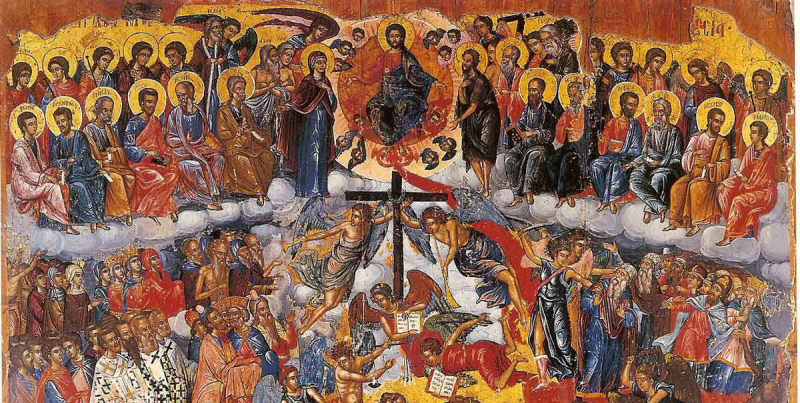
When the world seems chaotic or uncertain, many ask: What do Christians believe will happen at the end of the world? For Orthodox Christians, the answer lies in a profound and hope-filled vision of God’s final victory-a culmination of His divine plan to save humanity.
The Orthodox Church teaches that the end times will be marked by four major events:
The Second Coming of Christ
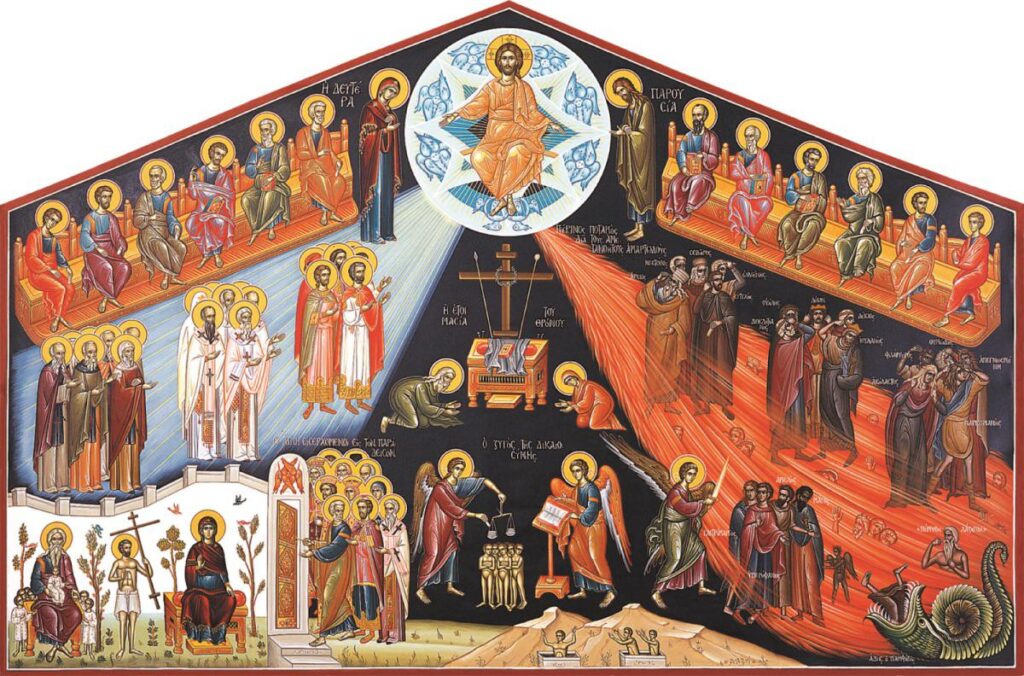
The Resurrection of the Dead
The Final Judgment
The Establishment of God’s Kingdom on Earth
Let’s explore each of these life-altering events and what they mean for the faithful.
1. The Second Coming of Jesus Christ
Orthodox Christians firmly believe that Jesus Christ will return to earth in glory, just as He promised. This is not a symbolic or metaphorical return- but a real, visible, and glorious Second Coming. The Book of Revelation records Christ’s words:
“Behold, I am coming soon! My reward is with me, to repay each one for what he has done.” (Revelation 22:12)
Christ will not return alone. He will be accompanied by the angels and the souls of the righteous. At this moment, He will judge the living and the dead, and the full establishment of His Kingdom will begin.
2. The Resurrection of the Dead
A key belief in Orthodox Christianity is the resurrection of every human being who has ever lived. As the Apostle Paul teaches:
“For as in Adam all die, so also in Christ shall all be made alive.” (1 Corinthians 15:22)
This resurrection isn’t merely spiritual-it’s physical. Every person will be raised and given a new, incorruptible body. The righteous will rise to eternal life, while the unrighteous will rise to judgment.
3. The Final Judgment
The Orthodox Church calls this the Last Judgment. St. Paul reminds us:
“For we must all appear before the judgment seat of Christ…” (2 Corinthians 5:10)
At this final moment, Jesus will separate people- like sheep from goats-not simply by what they believed, but by how they lived. Faith matters deeply, but so do our actions, our repentance, and our love. The Gospel of Matthew (25:31–46) vividly portrays this scene, where acts of mercy-feeding the hungry, welcoming the stranger, clothing the naked-are the standard by which we are judged.
4. The Kingdom of God on Earth
The culmination of all things is not destruction, but transformation. The Apostle John shares a glorious vision:
“Then I saw a new heaven and a new earth… And I heard a loud voice saying, ‘Behold, the dwelling of God is with men. He will dwell with them, and they shall be His people.’” (Revelation 21:1–3)
This is the Kingdom of God—a place of peace, love, and eternal joy. Suffering, death, and sin will vanish. God will reign in full communion with His people.
How Do We Prepare for the End?
This brings us to the central question: How does one inherit eternal life? In other words—what is required for salvation?
Orthodox Christianity teaches that salvation is not a one-time event, but a lifelong journey of cooperation between God’s grace and our response. As St. Paul says:
“Work out your own salvation with fear and trembling, for God is at work in you…” (Philippians 2:12–13)
This synergy of faith, works, and grace forms the heart of Orthodox teaching on salvation.
Salvation: A Dance Between God and Man
Unlike some traditions that emphasize a one-time moment of “being saved,” Orthodox Christianity views salvation as dynamic. It begins in baptism, continues through a life of faith and love, and is nourished by the sacraments—especially Holy Communion and Confession.
We are saved:
By grace (Ephesians 2:8–9)
Through faith (Romans 5:1)
Expressed through works (James 2:17)
“Faith by itself, if it has no works, is dead… a person is justified by works and not by faith alone.” (James 2:17, 24)
The Thief on the Cross: A Story of Mercy
One of the most powerful reminders of God’s grace is the thief who was crucified next to Jesus. He had no chance to do good works, be baptized, or receive Communion. Yet, with a heart full of repentance, he turned to Christ and said:
“Jesus, remember me when You come into Your Kingdom.”
To which Jesus replied:
“Truly I say to you, today you will be with Me in Paradise.” (Luke 23:42–43)
This shows us that God is merciful beyond understanding. But as Orthodox Christians, we do not presume upon that mercy. We are not dying thieves—we have heard the Gospel. The real question is: What are we doing with that knowledge?
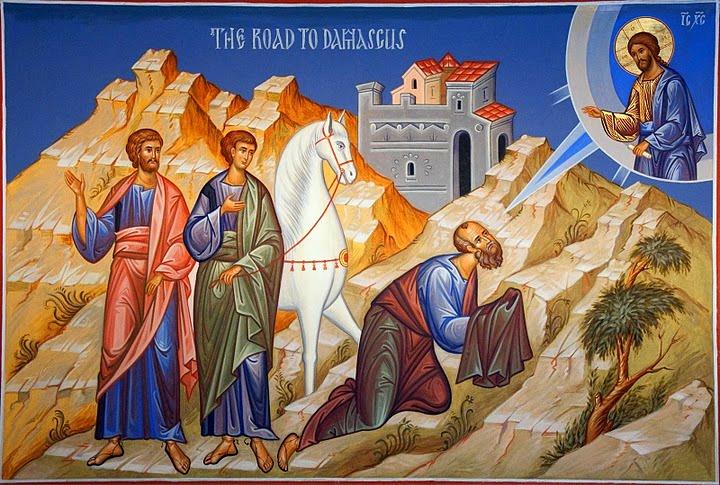
The Orthodox Path to Salvation
So what does salvation look like in Orthodox Christianity?
Faith – Trust in the living God, belief in Jesus Christ, and acknowledgment of the truth of the Gospel.
Works – Living a life of love, mercy, prayer, obedience, and service. Not to “earn” salvation, but to respond to God’s gift with action.
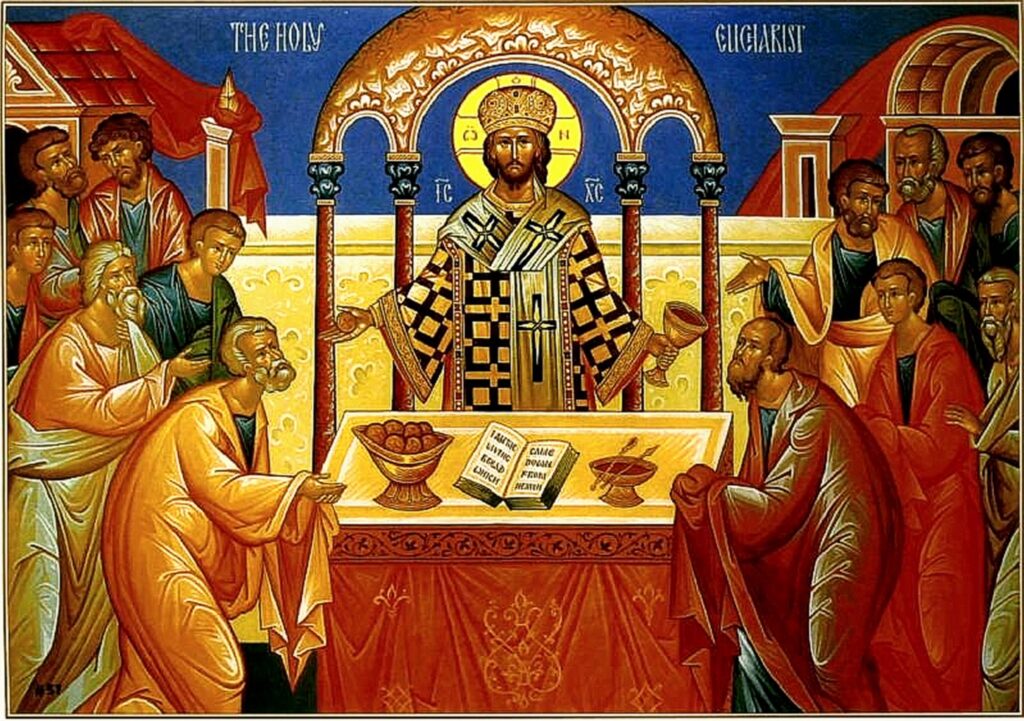
Grace – Received through the Holy Sacraments, especially the Eucharist and Confession, which heal and sustain us.
“He who eats my flesh and drinks my blood has eternal life, and I will raise him up on the last day.” (John 6:54)
Final Thoughts: Our Role in God’s Plan
At the end of the world, it will not matter how much we accomplished outwardly—but how we loved, how we repented, and how we cooperated with God’s grace.
Orthodox Christianity teaches that we are co-workers with God (1 Corinthians 3:9). Salvation is not a solo performance, nor is it earned—it’s a divine-human partnership. Our task is to receive the gift of salvation with humility and to live it daily through faith, love, repentance, and the sacraments.
And so we echo the prayer of the repentant thief, with hearts full of hope:
“Lord, remember me in Your Kingdom.”