Enter with Reverence: The Beauty of Orthodox Church Etiquette
Have you ever walked into an Orthodox church and felt overwhelmed—unsure whether to stand, sit, cross yourself, or even where to go? You’re not alone. Orthodox Christian worship is rich in reverence and tradition, and the way we conduct ourselves in the Cathedral matters deeply—not only for our own spiritual experience but also out of respect for others and for God.
In a world that’s increasingly casual, reclaiming a posture of reverence in the house of God is a spiritual discipline. This guide will walk you through essential Orthodox Church etiquette in a way that’s engaging, easy to follow, and grounded in tradition.
Stand Like the Saints
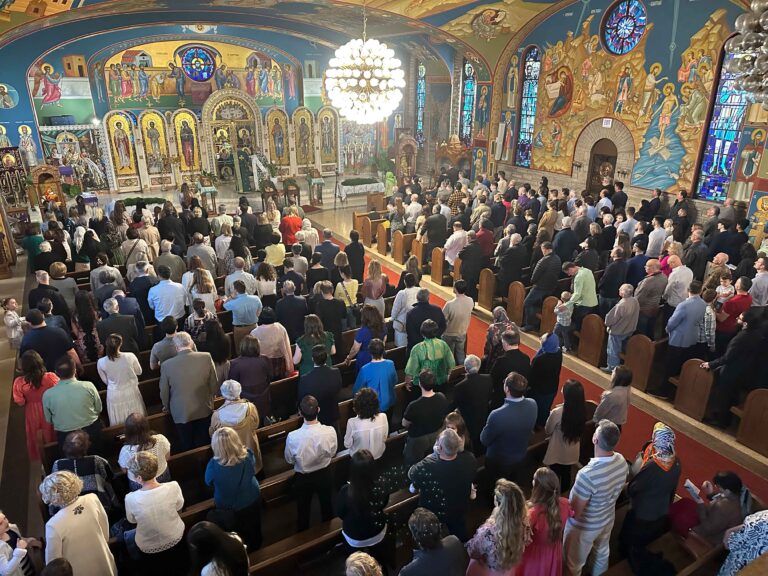
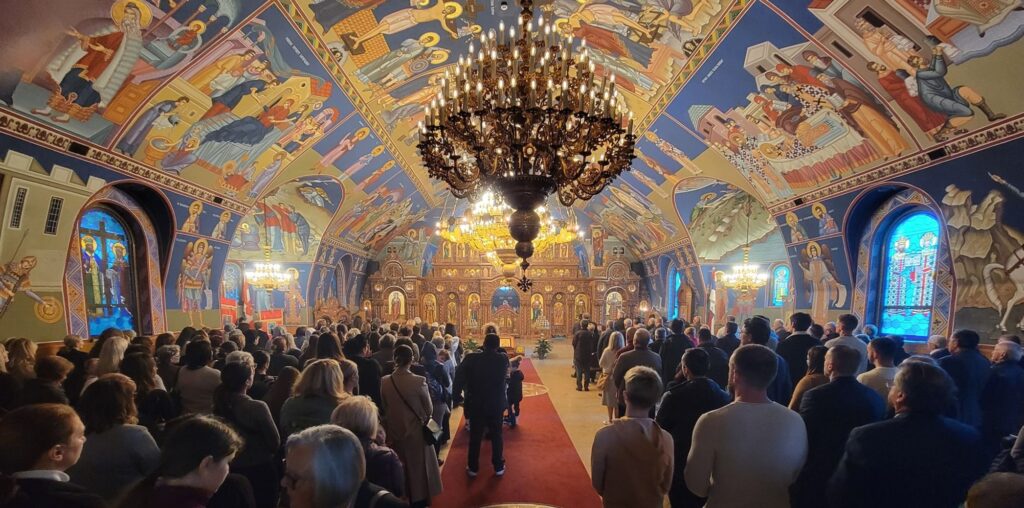
In traditional Orthodox countries, churches often don’t even have pews—standing is the norm. Standing is a physical expression of prayer, reverence, and attentiveness. In North America, pews are more common, but standing is still encouraged, especially during key parts of the service like the Gospel reading, the Anaphora, and when the priest exclaims, “Let us be attentive!”
If you prefer to stand for the entire service, that’s wonderful! Just consider positioning yourself near the back or along the side so you don’t obstruct others’ view.
What If You’re Late?
We get it—life happens. But showing up after the service has started disrupts the sacred flow of worship. The best way to avoid this? Arrive early and prepare your heart in silence. If you do come late, wait quietly at the back and enter only when appropriate—never during the Gospel, the entrances, or the Consecration. Not sure? Ask an usher.
And here’s a pro tip: if you plan to receive the Eucharist, it’s essential to be present for the entire Divine Liturgy. No shortcuts.
Don’t Cross the Line (or Your Legs)
Crossing your legs may seem innocent, but in Orthodox worship, posture matters. It’s not about legalism—it’s about staying alert and spiritually present. Think of the Cathedral not as your living room, but as a sacred space where your body reflects your soul’s attentiveness. Sit upright, feet flat, and ready to stand at any moment.
Cross yourself with your hand—not with your legs.
Minimize Movement: Worship, Not a Workout
Church isn’t the place for a lot of foot traffic. Once you’ve entered the nave, try to stay put unless absolutely necessary. Use the restroom before the service, and avoid stepping out for a drink. Save the back-and-forth trips for the grocery store—not the house of God.
Stay for the Blessing: Don’t Duck Out Early
Leaving after Communion is like walking out of a feast before dessert. The Divine Liturgy has a beginning and an end. Departing before the Dismissal robs you of the final blessing and sends the wrong message: that the sacred is less important than your schedule. Stay. Be still. And receive the fullness of grace.
Kiss Icons with Care (and Without Lipstick)
Venerating icons is a profound gesture of love and honor—but smudging holy images with lipstick is not. Before approaching the icons, blot your lips. Then, venerate with intention: cross yourself twice, bow, kiss the hand, foot, or object the saint is holding (not the face), then cross and bow again. Be mindful. Be respectful.
Talk to God, Not Your Neighbor
The Liturgy is not the time for chatting with friends—however exciting it may be to see them. Greet them later in the fellowship hall. During services, let your voice be lifted in hymns and prayers, not small talk. God is listening—and so are those around you who came to pray.
Greet the Clergy with Honor
When you see your priest or bishop, don’t just offer a handshake. Ask for their blessing. Place your right hand over your left and say, “Father, bless,” or “Master, bless” if it’s a bishop. Then kiss their right hand—the one that blesses, sanctifies, and offers the Holy Gifts on your behalf. This small gesture carries deep meaning.
Sunday Best, Not Beach Casual
You’re not going to a barbecue—you’re entering the Kingdom of God. Dress modestly and respectfully:
Children: No shorts (unless under age 10), no T-shirts with writing, and no gym shoes.
Women: No short skirts, tank tops, low necklines, or skin-tight clothing. If wearing pants, choose dress pants—not jeans or leggings.
Men: Button-up shirts, clean trousers, and no ripped jeans or shorts. Jackets and ties are always welcome, though not required.
If you must dress down later in the day, bring a change of clothes. Show the same respect outwardly that you offer inwardly.
Don’t Be a Pew Blocker
We’ve all seen it—people who claim the aisle seat and won’t budge. Be welcoming. If you arrive early, move to the middle of the pew to allow others easy access. Hospitality begins with simple acts like making room for your neighbor.
When to Cross Yourself—and When Not To
There are times to cross yourself, and times not to:
Cross yourself when:
You hear “Father, Son, and Holy Spirit”
Before and after venerating icons
Entering or leaving the Cathedral
Passing before the altar
Don’t cross yourself:
Right before or after receiving Holy Communion (you may accidentally bump the chalice)
No Snacks in the Nave
It may seem harmless to bring snacks for your little one, but cracker crumbs and juice boxes don’t belong in the Cathedral. Feed your child beforehand or take them outside if necessary. Children over age 7 preparing for Communion should learn to fast on Sunday mornings. And no chewing gum—ever.
Handle the Antidoron with Care
After Communion or at the end of the Liturgy, you may receive a piece of Antidoron (blessed bread). It’s not the Eucharist, but it is still sacred. Take one piece, eat it reverently, and avoid scattering crumbs. If you’re bringing a piece to someone else, take an extra—don’t break yours in half. Help your children do the same.
A Final Word: Worship with “Fear of God, Faith, and Love”
The Orthodox Church isn’t casual—it’s timeless. It connects heaven and earth in a holy mystery. When you step into the Cathedral, leave behind the rush of daily life and enter into eternity.
Orthodox Church etiquette isn’t about rules—it’s about reverence. It’s about honoring God, loving your neighbor, and fully engaging in the beauty of worship.
So next time you hear the priest proclaim, “With fear of God, faith, and love, draw near,” let your whole self respond—with awe, with purpose, and with good church etiquette.