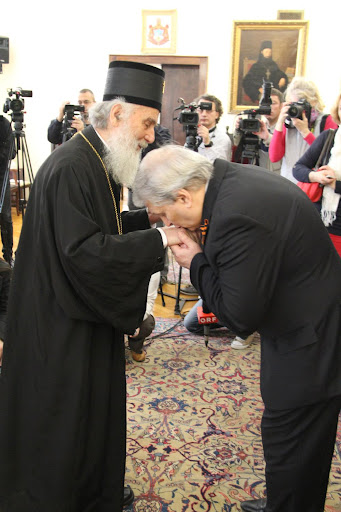
Have you ever wondered why Orthodox Christians kiss the hand of a priest? This ancient tradition, which has endured for centuries, is far more than a polite gesture. Beneath this simple act lies a profound spiritual symbolism that connects the faithful with their Church, their faith, and ultimately with the divine.
So, what does this kiss reveal about the nature of Orthodox belief and the sacred role of the priest? Let’s explore the rich history, deep theological meaning, and spiritual importance of this beautiful practice.
The Biblical Roots of the Tradition
Kissing the priest’s hand is not a random custom—it has biblical roots and early Christian origins. In the New Testament, believers were encouraged to greet each other with a “holy kiss” as a sign of unity and brotherly love. Over time, this expression of respect extended specifically to the clergy.
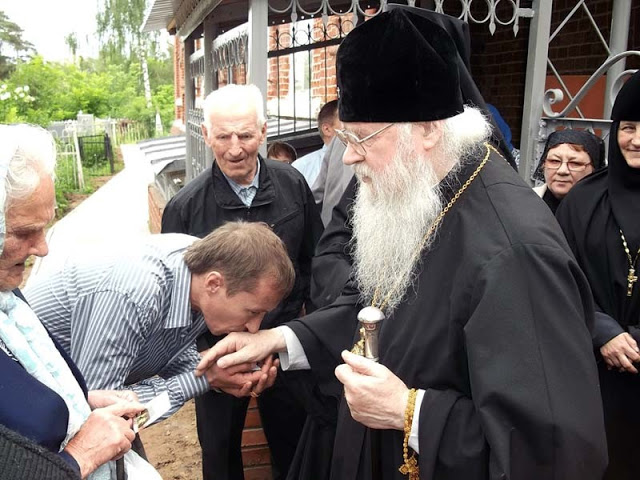
In Orthodox Christianity, the priest’s hand holds a sacred meaning. Priests are ordained to serve the Holy Mysteries—such as the Eucharist, Baptism, and other sacraments—which makes their hands instruments of God’s work. When believers kiss the priest’s hand, they are not merely honoring the man but acknowledging the sacred office he holds and the divine grace that flows through him.
More Than Respect: A Personal and Communal Act
Throughout villages and cities across Orthodox lands, the local priest often serves as much more than a liturgical leader. He is a spiritual guide, a counselor, and sometimes even a teacher and a father figure. The kiss of his hand, therefore, carries layers of meaning: it’s a sign of respect, gratitude, and a humble request for a blessing.
For many Orthodox Christians, this act is a physical way to express their reverence not just toward the priest but toward the Church itself. It serves as a tangible reminder that the priest, through his ordination, stands in a sacred place as a servant of God and a steward of the holy sacraments.
The Theological Significance: A Channel of Divine Grace
Theologically, kissing the priest’s hand is deeply symbolic. It is not just a social custom—it is a direct acknowledgment of the priest’s role in handling the Holy Eucharist and other sacred mysteries.
According to Orthodox teaching, the priest’s hands become vessels of divine grace during the sacraments. When we approach a priest and kiss his hand, we are reminded of the sacred rites these hands perform, the blessings they bestow, and the transformational power they channel during the Divine Liturgy.
This act is also a way of honoring the apostolic lineage of the priesthood—a living tradition passed down through the laying on of hands, generation after generation, from the apostles to today’s clergy. Every time we kiss a priest’s hand, We are spiritually connecting to that unbroken chain, affirming my place within the ancient and enduring Church.
A Symbol of Humility and Unity
In the beautiful tapestry of Orthodox Christian life, kissing the priest’s hand is a gesture rich with meaning. It expresses appreciation and humility before those who serve God. It’s not about glorifying a person, but about recognizing the sacred responsibilities entrusted to them.
When we approach a priest, we are aware that in that moment we are participating in a tradition that stretches all the way back to the apostolic age. The hands we kiss are ordained to continue the faith, to offer the sacraments, and to safeguard the Church’s holy teachings.
The symbolism goes beyond the church walls—it extends into my daily life. This reverence reminds us that we should approach all people with humility and respect, acknowledging the inherent dignity each person carries. Embracing this attitude not only deepens my personal spiritual life but also strengthens the unity of the faith community we are part of.
By kissing the priest’s hand, we are living out the core values of Orthodox Christianity -humility, respect, continuity, and love. This tradition is not just something we witness; it is something we actively participate in, ensuring that it remains alive and meaningful for future generations.
The Weight of History and Tradition
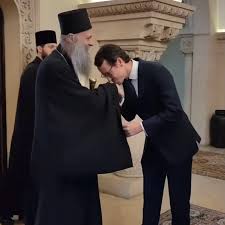
The practice of kissing the priest’s hand is steeped in centuries of tradition. Understanding its historical context has only deepened our appreciation for this living ritual. From the earliest days of the Church, honoring those with spiritual authority was a vital part of Christian life.
This tradition has been carefully preserved through generations, forming an unbroken link between past and present. When we engage in this simple act, we are taking our place in a long lineage of faithful believers who have shown the same reverence, the same respect.
For Orthodox Christians, this gesture is more than just an inherited custom—it is a bridge that connects us to the apostolic age, when the laying on of hands was a sacred practice used to bestow blessings and perform holy rites. This historical connection is profound. It strengthens our sense of belonging in the Church and provides a steady foundation for our faith.
Beyond its spiritual dimension, this tradition has also taken on cultural significance. In many Orthodox societies, kissing the priest’s hand symbolizes not just spiritual humility but a communal respect. Through this shared act, believers from all walks of life are united in expressing honor and gratitude to those who serve God.
What’s truly remarkable is how this ancient practice continues to carry such profound weight in today’s world. It reminds us that Church traditions are not relics of the past but living elements of Orthodox Christian life. They shape our communities, our spiritual habits, and our cultural identity.
Through this lens, the blending of history and tradition becomes a powerful testimony to the resilience and adaptability of the Orthodox faith throughout the centuries.
Conclusion: A Living Tradition
In Orthodox Christianity, kissing the priest’s hand is far more than a polite formality—it is a profound expression of reverence and faith. Through this simple yet significant gesture, we are reminded of the holiness of the priesthood and the unbroken chain of spiritual authority that dates back to the apostles.
We are honored to participate in a ritual that not only connects us to the divine but also binds us to a living community of believers, past and present. This gesture transcends time and culture, reinforcing the Orthodox values of humility, unity, and respect that are central to our faith.
As we continue to explore and embody the rich traditions of Orthodox Christianity, we find that these practices deepen our spiritual journey and strengthen our connection to the heritage that has shaped both our beliefs and the faith community we cherish.