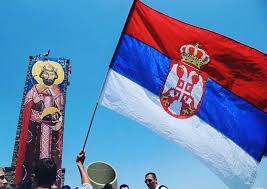
Vidovdan (Видовдан), known as Vid’s Day or the Day of Light, is one of the most sacred dates in Serbian history and Orthodox tradition. Celebrated each year on June 28, Vidovdan is more than a memorial—it is the heartbeat of Serbian identity, deeply tied to the heroic sacrifice of Saint Prince Lazar and the Serbian martyrs who defended their faith and homeland in the epic Battle of Kosovo in 1389.
For over six centuries, Vidovdan has echoed through the soul of the Serbian people, symbolizing not defeat, but unwavering courage, spiritual triumph, and the undying struggle for freedom.
The Spiritual Power of Vidovdan
Vidovdan, the Day of Light, is steeped in ancient customs and folk traditions. At sunrise, Serbians would visit natural springs to wash their faces, a ritual of purification. As the sun rises, they turn to the East, cross themselves, and recite:
“Vid, Vid’s Day, may what you see with your eyes be created by your hands.”
Near these sacred springs, red threads are tied—symbols of the sun, fire, and life, meant to protect against evil.
But beyond these beautiful traditions, Vidovdan carries a profound spiritual weight. It stands as a timeless testament to the choice Serbians made in 1389—to stand for faith, honor, and freedom, even at the cost of their lives.
The Battle of Kosovo: More Than a Military Clash
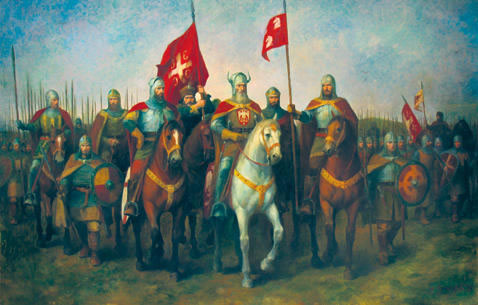
The Battle of Kosovo was not just a confrontation between two armies—it was a crossroads of civilizations. On one side stood Serbian Prince Lazar, leading a coalition that included fighters from Bosnia and Hungary. On the other was the expanding Ottoman Empire under Sultan Murad I.
Both Prince Lazar and Sultan Murad perished in the battle. Though the fight was brutal and losses were immense on both sides, the battle’s outcome marked the beginning of centuries of struggle for the Serbian people. Yet, despite subsequent Ottoman conquests, Serbia did not fall immediately. The Serbian state persisted for nearly a century more, with its cultural spirit burning bright even through five centuries of Ottoman domination.
The Kosovo Legacy: Poetry, Song, and Survival
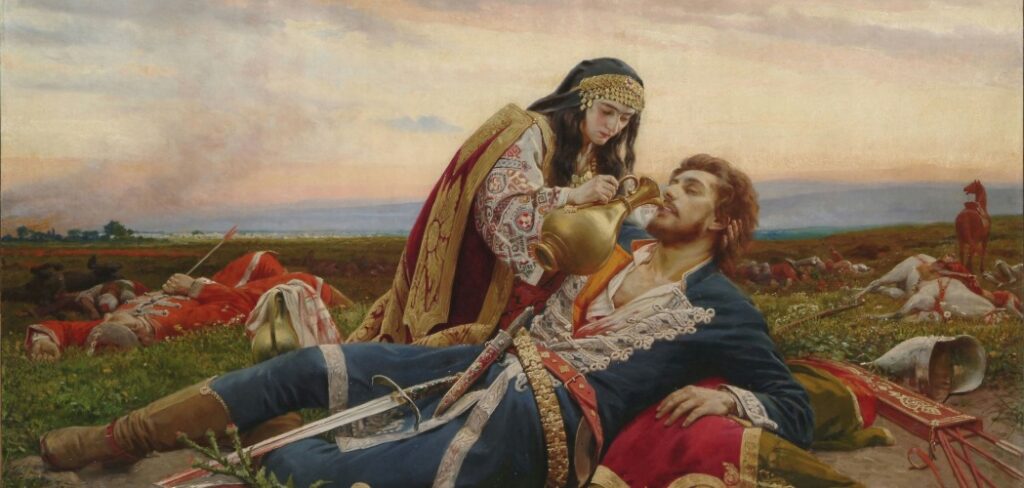
The story of Kosovo did not end on the battlefield—it lived on in the epic poetry, songs, and legends passed down by generations of Serbian bards, the guslari. These epics did not hide the pain of defeat but glorified the noble sacrifice. They kept the memory of Kosovo alive, becoming a source of spiritual strength, national pride, and cultural unity.
For centuries, these stories reminded the Serbian people of who they were, strengthening their resolve during times of oppression and inspiring them to dream of freedom.
Prince Lazar: The Holy Martyr and National Hero
Saint Prince Lazar is not just a historical figure—he is a revered martyr and saint in the Serbian Orthodox Church. Crowned after the death of King Uroš, Lazar led Serbia during one of its most critical moments.
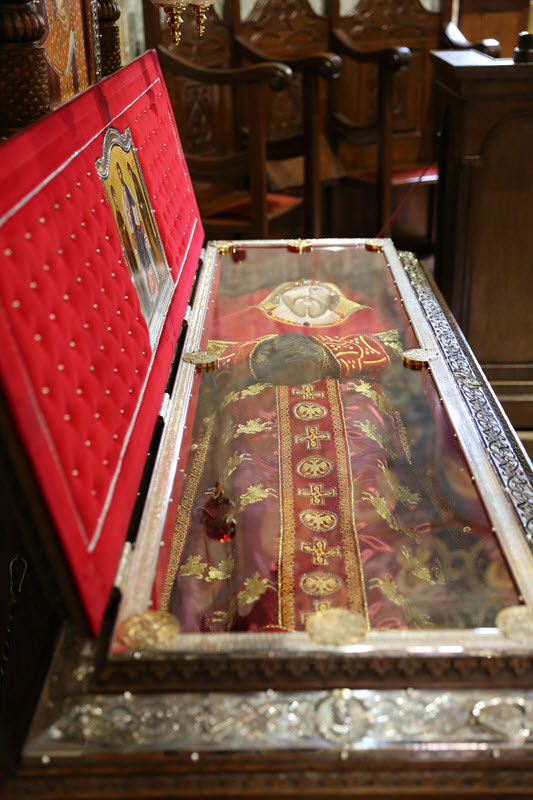
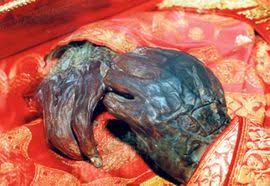
He built and restored monasteries, including Ravanica, Lazarica in Kruševac, Hilandar, Gornjak, and St. Panteleimon on Mount Athos. After his death at Kosovo, his relics became a source of comfort and healing, venerated to this day in the Cathedral in Belgrade.
His famous curse at Kosovo still resounds:
“Whoever is a Serb and of Serb birth,
And comes not to the Battle of Kosovo,
May he never have the progeny his heart desires…
And let him be cursed from all ages to all ages!”
Kosovo and Vidovdan: The Soul of a Nation
For the Serbian people, Kosovo is more than land—it is their Holy Ground, their Jerusalem. It is where their medieval capitals stood, where their kings ruled, and where their greatest churches and monasteries were built. Kosovo and Vidovdan are inseparable—one cannot be mentioned without the other.
The Vidovdan Commemorations are not about celebrating victory or mourning defeat. They are about honoring the choice—the decision Prince Lazar made to embrace the Heavenly Kingdom over earthly survival.
Why Vidovdan Matters to the World
The Battle of Kosovo holds significance not just for Serbia, but for European history. On June 28, 1389, the Serbs stood alone, defending Christian Europe from Ottoman expansion. Without their sacrifice, the course of European history might have been drastically different.
The Kosovo Ethics: The Unchanging Serbian Testament
What makes Vidovdan truly eternal is the Kosovo Ethic, a moral code passed down through generations, still cherished today:
Unshakable faith in God
Love for freedom, never to be surrendered
Dedication to the Orthodox Christian tradition
Placing spiritual values above material gain
Commitment to honesty, peace, and righteousness
Sacrifice for the common good
National unity as the foundation of survival
Compassion, even toward enemies
These principles have guided the Serbian people through centuries of hardship and remain the core of Serbian national identity.
The Struggles and the Misunderstood Truth
Throughout the 20th century, the Serbian presence in Kosovo diminished under systematic oppression, mass migration, and violent persecution. Sadly, the international narrative has often misrepresented these events, portraying the Serbian people as oppressors when in reality, they were the ones driven from their ancestral lands.
Despite political shifts and demographic changes, the Vidovdan spirit remains unbroken.
Vidovdan: Forever in the Heart of Serbia
Today, more than 600 years later, Vidovdan is not just a date on the calendar—it is a living pledge. It is a sacred memory, a national identity, and a spiritual compass that continues to guide the Serbian people.
On Vidovdan, Serbs honor their heroes, remember their sacrifices, and renew their eternal promise to God, to their faith, and to their beloved homeland.
In the heart of every Serb, Vidovdan beats as the Day of Light, the Day of Truth, the Day that will never fade.